Planning a first trip to Kenya feels different when English is not your first language. This kenya safari guide for german speakers works through the questions that actually matter before you book. It looks at whether a German-speaking guide is worth the extra cost, and what a realistic budget looks like. It also covers which parks suit a first-timer and when to travel. Kenya rewards travelers who plan around real numbers rather than vague promises. This guide sticks to ranges you can check against any quote. Wildlife patterns, seasons, entry rules and everyday safety practices all shape how the trip unfolds. Each of these is covered below in plain terms.
Do You Need a Kenya Safari Guide for German Speakers?
A German-speaking guide is not essential, but it can improve wildlife interpretation, cultural conversations and day-to-day communication. Options include a fluent German-speaking driver-guide, a German interpreter traveling with an English-speaking driver-guide, or German support by phone. Confirm the guide’s language level, guiding credentials and exact surcharge before paying.
Most safari driver-guides in Kenya train and hold licenses through the Kenya Professional Safari Guides Association. English is the working language across the industry. German-speaking driver-guides exist but are fewer in number. They tend to be booked out first during the July to October peak. If none is available for your dates, a two-person setup with an interpreter is the usual fallback. It costs more because you are paying for two staff members rather than one. But it keeps the wildlife commentary detailed rather than simplified.
| Support type | What it means | Typical daily surcharge (indicative) |
|---|---|---|
| German-speaking driver-guide | One person drives and interprets sightings in German | USD 50-150 |
| German interpreter with English-speaking driver-guide | Two people share the vehicle; the interpreter translates in real time | USD 80-150 |
| German phone or desk support | Operator’s office answers questions in German before and during the trip | Often included, no extra charge |
These figures are indicative and vary by operator, group size and season. Always ask for a written breakdown rather than a single bundled price.
How Much Does a Kenya Safari Cost for German Speakers?
Allow roughly USD 250 to 400 per person per day for a mid-range safari, excluding international flights. Luxury camps or a private vehicle cost more. A German-speaking guide may add about USD 50 to 150 per day, depending on whether the person drives or interprets. Park fees, flights, tips and eTA costs should be itemized separately.
The daily rate usually bundles accommodation, meals, game drives and a driver-guide. Conservation and park entry fees are often billed on top, and they differ by park and by resident versus non-resident status. Internal flights between parks cost more than road transfers but save a full day of driving on longer routes. If you want a full accounting of what feeds into a typical quote, read the Kenya safari cost breakdown before you compare operators. It separates the fixed costs from the ones that shift with season and camp choice.
Which Kenya Parks and Conservancies Are Best for a First Safari?
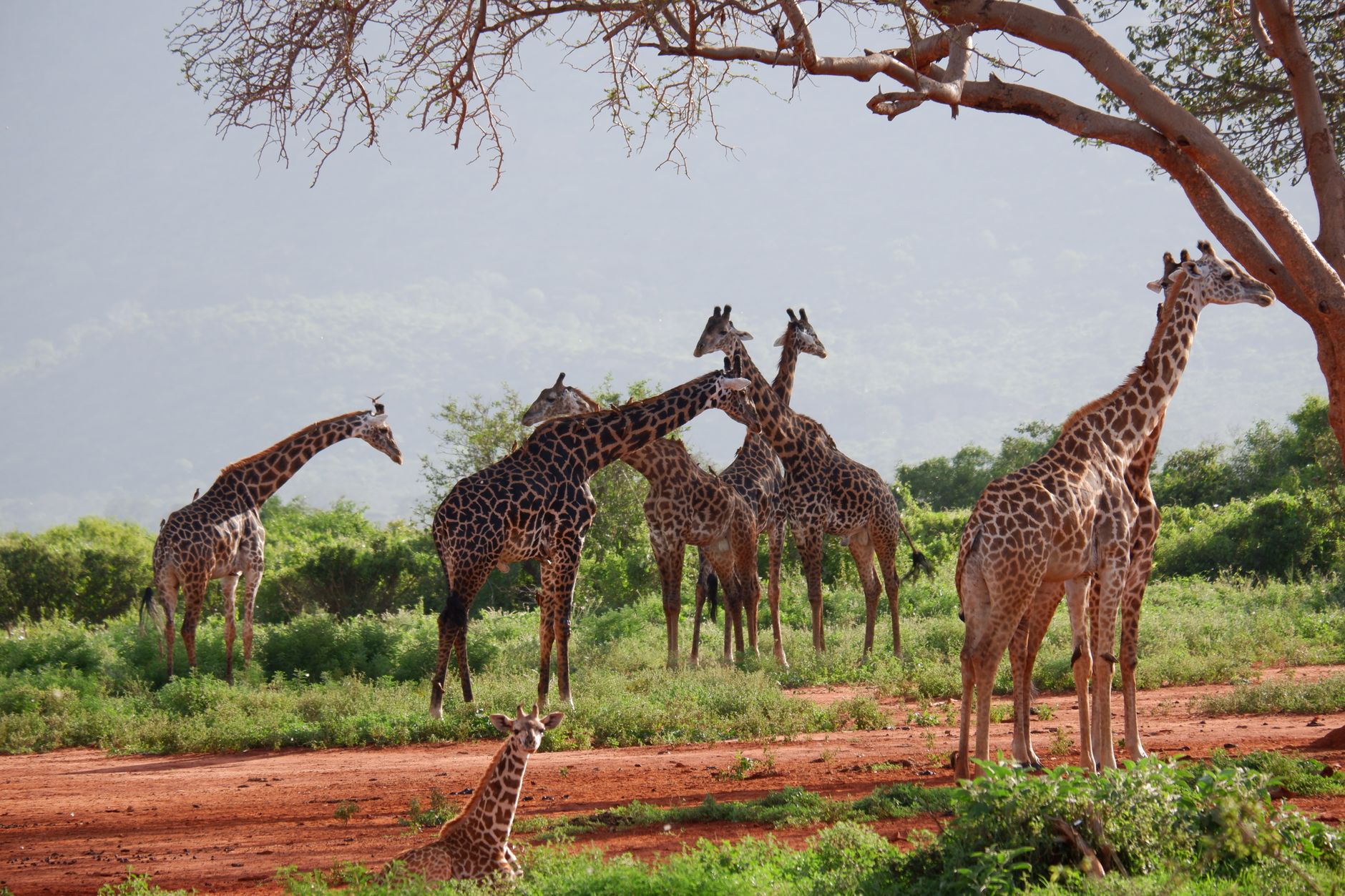
The Masai Mara is the strongest first-safari choice for big cats and the wildebeest migration. Amboseli adds elephant herds and views of Kilimanjaro. Add Lake Nakuru for rhinos and a compact birding stop, or choose a Mara conservancy for quieter drives, walking options and fewer vehicles. Samburu and Tsavo suit longer, more varied routes.
A Masai Mara safari remains the default starting point because the open grassland makes cats easier to spot. The migration season adds river crossings between roughly July and October. Pairing it with an Amboseli National Park stop works well on a first trip. The landscape and wildlife feel genuinely different, and it is only a short flight away. For a side-by-side comparison of the two, see masai mara vs amboseli. Travelers who want fewer vehicles at each sighting often add a private conservancy bordering the Mara, such as Naboisho or Mara North Conservancy. Guiding there is more flexible, and walking safaris are sometimes possible. For a look at a similar private-conservancy model further north, see Ol Pejeta Conservancy. Lake Nakuru suits a short add-on for rhino sightings and dense birdlife. Samburu, in Kenya’s drier north, brings species not common further south. Readers weighing it against other parks can check Big Five viewing in Samburu for a direct comparison. Tsavo, Kenya’s largest park system, works well on longer itineraries that also touch the coast. For a broader look at where each of the Big Five is realistically seen, check the Big Five in Kenya overview. It is a useful reference before you finalize a route.
When Is the Best Time to Visit Kenya on Safari?
July to October is the easiest all-round period for dry conditions, wildlife concentration and migration opportunities in the Masai Mara. It is also busier and more expensive. January to March often offers excellent predator viewing and warmer, greener scenery with fewer visitors. April and May can be wet, yet bring lower rates and lush landscapes.
There is no single wrong season, but the trade-offs differ by month. For a detailed month-by-month breakdown, see best time to visit Kenya on safari. It covers the shifts in rainfall, animal movement and crowd levels across the year. If the Masai Mara is your main draw, read the best time to visit Masai Mara page instead. It narrows the guidance to migration timing and river crossing patterns, which shift slightly from year to year.
What Is the Best Kenya Safari Itinerary for 7 to 14 Days?
For seven days, combine two destinations rather than rushing through four. Spend three nights in the Masai Mara and two nights in Amboseli, with Nairobi logistics around them. A 10-day route can add Lake Nakuru or a Mara conservancy. Fourteen days allows Samburu or Tsavo plus a coast extension without sacrificing full game-drive days.
The mistake many first-time planners make is trying to fit five parks into a week. Two well-chosen destinations with proper time in each usually beat a rushed circuit. A single extra night at a camp often produces better sightings than an extra park on the map. A 10-day trip has enough slack to add a conservancy stay without cutting into drive time elsewhere. At 14 days, a route through Samburu or Tsavo followed by a few nights on the coast works well. It gives the safari portion room to breathe, while still ending the trip with rest and warm water.
What Are Kenya’s Entry Requirements, Health and Safety Rules for German Travelers?
German citizens generally need an approved Kenya electronic travel authorization before departure. They also need a passport valid for at least six months and evidence of onward travel and accommodation. Check current health advice for malaria prevention and vaccinations, and carry comprehensive insurance with evacuation cover. Use established operators, follow ranger instructions and avoid walking outside designated areas.
The Kenya eTA is applied for online ahead of travel. Approval should be printed or saved before you fly, since airlines and immigration officers check it at boarding and on arrival. Malaria risk exists across most safari regions. Speak with a travel medicine clinic in Germany well before departure about prevention options. Evacuation cover matters more in remote parks than standard travel insurance usually assumes. Check that the policy specifically covers medical evacuation by air. Kenya’s safari regions are generally safe for visitors who stay with their guide and follow camp and ranger instructions. Avoid wandering outside marked areas after dark.
What Should German-Speaking Travelers Pack for a Kenya Safari?
Pack lightweight neutral clothing, warm layers for cool early drives, a rain shell, sun protection, insect repellent, medicines and a small daypack. A soft duffel is more practical than a hard suitcase when using safari aircraft, where baggage allowances may be around 15 kilograms. Include a British-style plug adapter and keep documents in hand luggage.
Early morning game drives can be cold enough for a fleece or jacket, even though afternoons run warm. Layering matters more than any single garment. Certain colors, particularly dark blue and black, attract tsetse flies in some regions. The reasons why to avoid blue and black clothing are worth a quick read before you shop. For a full checklist organized by trip length and season, see the Kenya safari packing list. It walks through what to bring item by item, and covers the baggage weight limits on light aircraft transfers between parks.
How to Book and Verify a German-Speaking Kenya Safari Operator?
Ask for the guide’s name, language ability, qualifications, vehicle details, route, inclusions and cancellation terms in writing. Verify whether the quoted German-speaking person is the driver, an interpreter or remote support. Request a full breakdown of park fees, accommodation, flights, meals, tips and transfers. Avoid paying a deposit before guide and itinerary confirmation.
A written itinerary protects you far more than a verbal promise, since it gives you something to check against once you arrive. Before confirming any kenya safari guide for german speakers, ask whether the German speaker travels with you the entire trip. Some itineraries switch guides between regions, covering only specific park sections. A reasonable operator will not hesitate to put language arrangements, fees and cancellation terms in writing. Hesitation on that point is a fair reason to look elsewhere.
What Do Travelers Often Ask About a Kenya Safari?
Do I need a German-speaking guide for a Kenya safari?
No, but one can make wildlife explanations, cultural visits and logistics easier for German-speaking travelers. Confirm whether the person is a German-speaking driver-guide or a separate interpreter, because the role and daily surcharge can differ.
How much does a Kenya safari cost from Germany?
A mid-range safari commonly costs about USD 250 to 400 per person per day before international flights, while luxury trips cost substantially more. Add park fees, eTA charges, tips and any German-speaking guide surcharge to the quoted package price.
What is the best time to go on safari in Kenya?
July to October is popular for dry weather and migration possibilities in the Masai Mara. January to March can provide strong predator viewing with fewer visitors, while April and May are wetter but often cheaper and greener.
What documents do German citizens need for Kenya?
German travelers should obtain the required Kenya eTA before departure and travel with a passport valid for at least six months. Return or onward travel and accommodation details may also be requested, so keep approvals and bookings accessible during the journey.
How many days do you need for a Kenya safari?
Seven days is enough for two well-chosen safari areas, such as the Masai Mara and Amboseli. Ten days allows a third stop without excessive rushing, while 14 days suits travelers combining several regions with a beach holiday.
Ready to Compare Options?
Once you know roughly how many days you have and which parks fit your interests, the next step is comparing actual quotes. Weigh whether a German-speaking guide is worth the surcharge as you compare. Sites like FindMySafari, Valley Safaris and Trunktrails Safaris let you browse packages and compare safari operators side by side. Weigh language support, park choices and pricing against the ranges in this guide before committing to one.
Where Can You Find More Safari Planning Resources?
- Kenya safari packages from SafariPure
- Kenya wildlife tours from Trunktrails Safaris
- Best time to visit Kenya month-by-month map from Valley Safaris
- Compare Kenya safari packages on FindMySafari